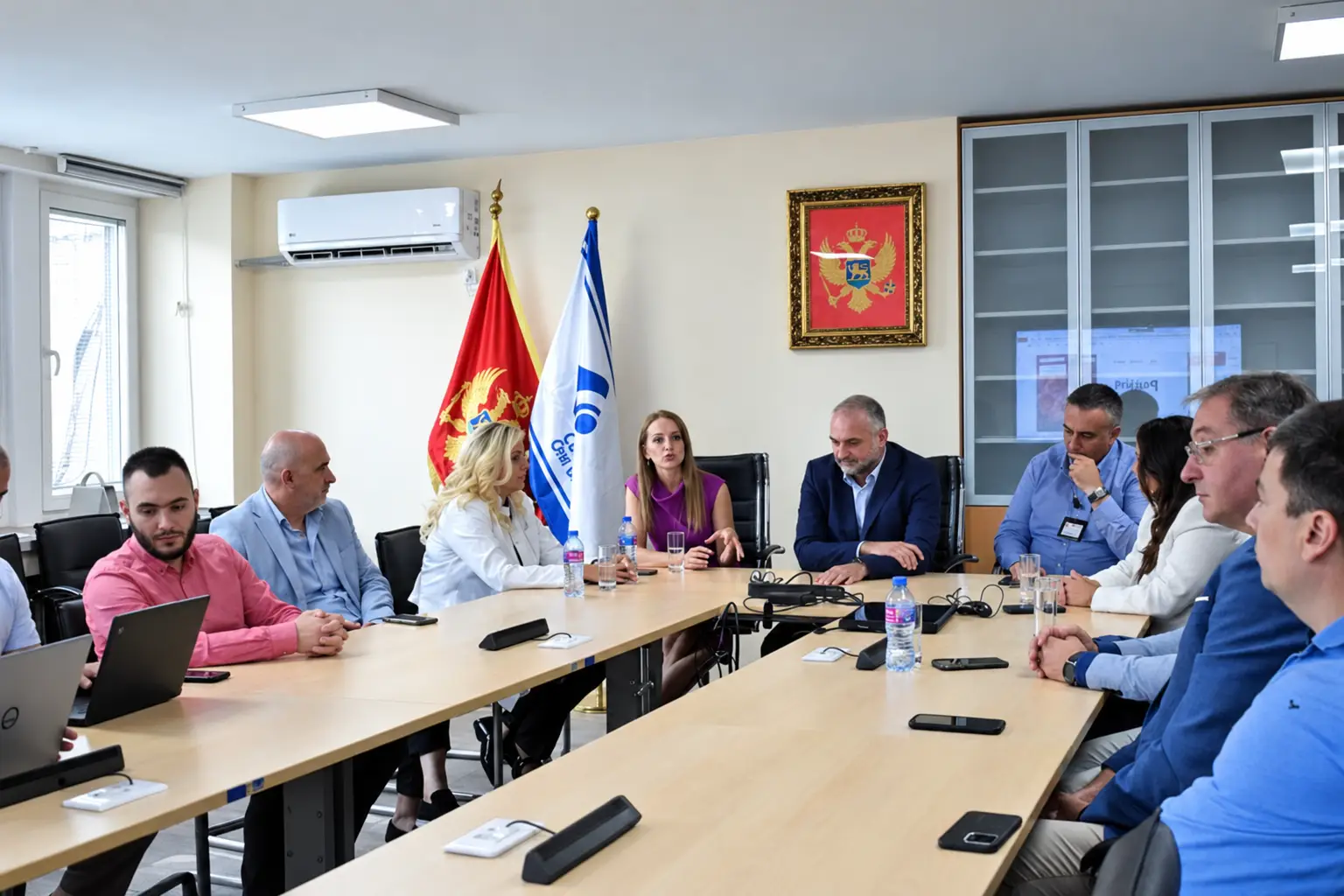
The Clinical Centre of Montenegro (KCCG) and IT Advanced Services (ITAS) have developed PathAI, an artificial intelligence system that analyses digitised histopathology slides to help pathologists identify and examine tumour tissue.
The 18-month project was supported by the Innovation Fund of Montenegro through its Collaborative Grants Programme, with a grant of €193,400. Its first development and validation phase focused on colorectal adenocarcinoma, marking a step forward for digital pathology in Montenegro.
AI support with the pathologist in charge
PathAI identifies tumour regions in digital images and analyses tissue structures relevant to assessing the disease. It is designed to provide additional support to specialists, while the final diagnosis and responsibility remain with the pathologist.
Experts from KCCG’s Centre for Pathology played an active role in developing and validating the system alongside their regular clinical duties. Their contribution connected the technical development process with the knowledge and experience required in everyday pathology practice.
According to ITAS Executive Director Ivan Bošković, development followed an ongoing cycle of learning: the model produced results, pathologists reviewed them, the data were refined, and the system was trained again. This collaboration helped bring clinical expertise into the development of a practical AI tool.
Bringing medicine and technology together
KCCG Director Dr Aleksandar Radović highlighted the project as an example of how clinical experience, scientific research and local technological expertise can work together to develop new healthcare solutions.
He also recognised the contribution of the Centre for Pathology and thanked ITAS, Čikom and the Innovation Fund of Montenegro for their cooperation and support. For KCCG, the project reflects its commitment to exploring technologies that can contribute to the quality and efficiency of healthcare.
Dragana Janinović, Director General of the Directorate for Digital Health at Montenegro’s Ministry of Health, said the software demonstrates the country’s capacity to develop innovative healthcare solutions.
She emphasised the value of cooperation across disciplines, institutions and the private sector. The project also aligns with national digital health plans, particularly the development of a national digital pathology platform and the connection of pathology centres to support analysis and data exchange.
A foundation for further development
Associate Professor Dr Mirjana Miladinović, Director of KCCG’s Centre for Pathology, described PathAI as a foundation for the continued development of digital pathology at the institution.
Planned upgrades include expanding the system’s capabilities in colorectal cancer and developing additional AI models for other tumours and areas of pathology. These developments could support future applications in diagnostics, scientific research and personalised medicine.
Katarina Lalović, Director of the Innovation Fund of Montenegro, highlighted the project as an example of the Collaborative Grants Programme’s purpose: connecting companies and institutions to develop solutions that address concrete societal needs.
She stressed that the system supports medical expertise, with clinical judgement and diagnostic responsibility remaining with the physician. The partnership shows how investment in research and innovation can connect advanced technology with the needs of healthcare practice.
For ITAS, PathAI demonstrates the potential to turn AI into practical tools for people and institutions. Bošković also pointed to the wider international potential of solutions developed in Montenegro.
By bringing together a healthcare institution, a local technology company and innovation funding, PathAI establishes a basis for further collaboration and the continued development of AI applications in Montenegro’s healthcare system.