Artificial intelligence is becoming a cornerstone of healthcare innovation in Slovenia. In the recent years, researchers and healthcare innovators have launched projects that bring cutting-edge AI technologies into hospitals, clinics, and everyday medical practice. From improving diagnostics to personalizing treatment, these efforts are revolutionizing patient care with more accurate diagnoses and tailored therapies.
Smarter Tools for Chronic Patients
One area of progress has been the development of intelligent systems to support patients with chronic diseases such as diabetes, heart failure, and skin conditions. These solutions use wearable sensors and machine learning to continuously monitor vital signs, providing early warnings and helping elderly patients live more independently at home. AI-powered tools can detect subtle changes in health indicators, enabling doctors to intervene before minor issues become serious.
Big Data for Predictive Medicine
Another line of research focuses on analyzing large medical datasets to spot hidden patterns and risk factors. Models have been trained to predict a patient’s likelihood of developing cancer or chronic kidney disease, and to quantify health risks linked to physical inactivity. Such data-driven approaches could make preventive medicine a reality by identifying high-risk individuals for early screening and guiding public health initiatives.
A recent breakthrough showed how AI can analyze heart sound recordings to detect early signs of heart failure relapse. By recognizing subtle changes in heartbeats, the system alerts doctors before a critical event occurs – potentially saving lives through early intervention.
Conversational AI in Healthcare
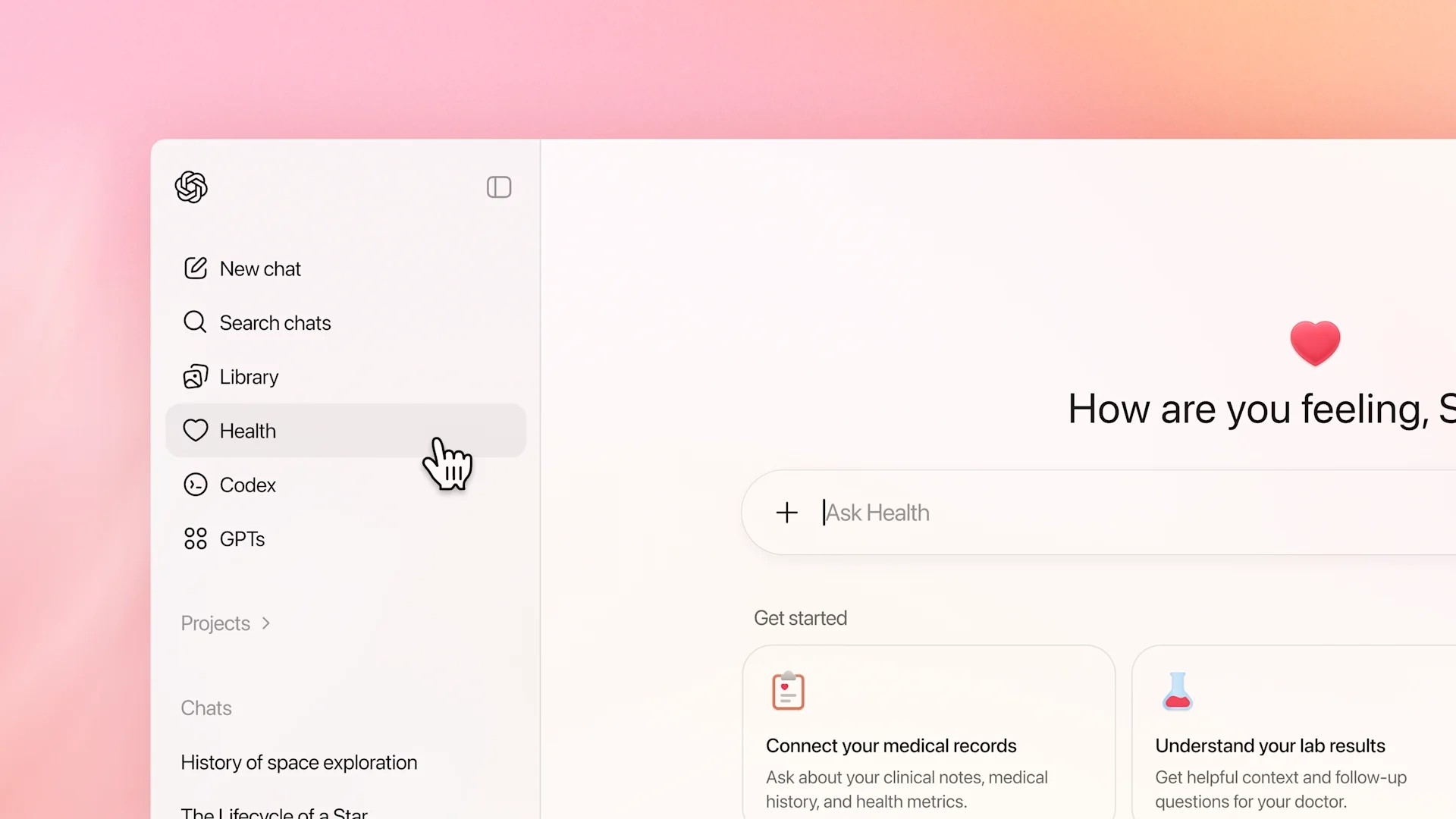
In 2024, a medical chatbot called HomeDOCtor was launched as a conversational assistant for the Slovenian healthcare system. Based on a large language model fine-tuned with local medical knowledge, it provides 24/7 patient support in Slovenian. HomeDOCtor helps citizens by answering health-related questions, offering self-care tips, and guiding them on when to consult a doctor. The system was designed with safety and privacy in mind, ensuring evidence-based guidance while protecting personal data under GDPR rules. This demonstrates the potential of localized AI assistants to improve healthcare access.
Training the Next Generation: AI2MED
Technology alone cannot transform healthcare without skilled professionals. Part of the goals of the AI2MED project include creating courses and “incubation labs” that bring together doctors, nurses, data scientists, and students. The goal is to equip healthcare professionals with the knowledge to safely and confidently use AI tools, while also giving technologists a deeper understanding of real-world medical practice. The project aims to train a new generation of experts fluent in both medicine and AI, which is a crucial step toward integrating these technologies into everyday care.
National and European Momentum
Slovenia is also modernizing its digital health infrastructure. Under the eHealth strategy, the country is introducing a unified electronic health record and a national telemedicine framework. These upgrades will make secure, high-quality health data available for advanced AI applications in diagnostics, treatment planning, and decision support.
In 2025, Slovenia also joined Tech4Cure, a major initiative that brings together companies from five EU countries to develop next-generation medical technologies. Tech4Cure focuses on AI-driven devices for predictive, preventive, and personalized medicine – turning cutting-edge research into products ready for hospitals across Europe.
Looking Ahead
These examples show that AI in healthcare is gaining momentum in Slovenia. From smart monitoring of chronic patients to safe medical chatbots and large-scale training initiatives, recent projects highlight the country’s commitment to shaping the future of medicine. With strong research, digital infrastructure, and European collaboration, Slovenia is ensuring that AI becomes a trusted partner in delivering better health for all.